Skip to content

Southeast Asian Affairs

Soft Power and Human Mobility between Korea and Thailand

IntroductionRecent mobility between Korea and Thailand has rapidly expanded beyond short-term, tourism-oriented visits into a multi-layered pattern encompassing study, employment, long-term residence, and settlement. The resumption of cross-border movement following COVID-19 has further accelerated this transformation, suggesting that bilateral exchanges
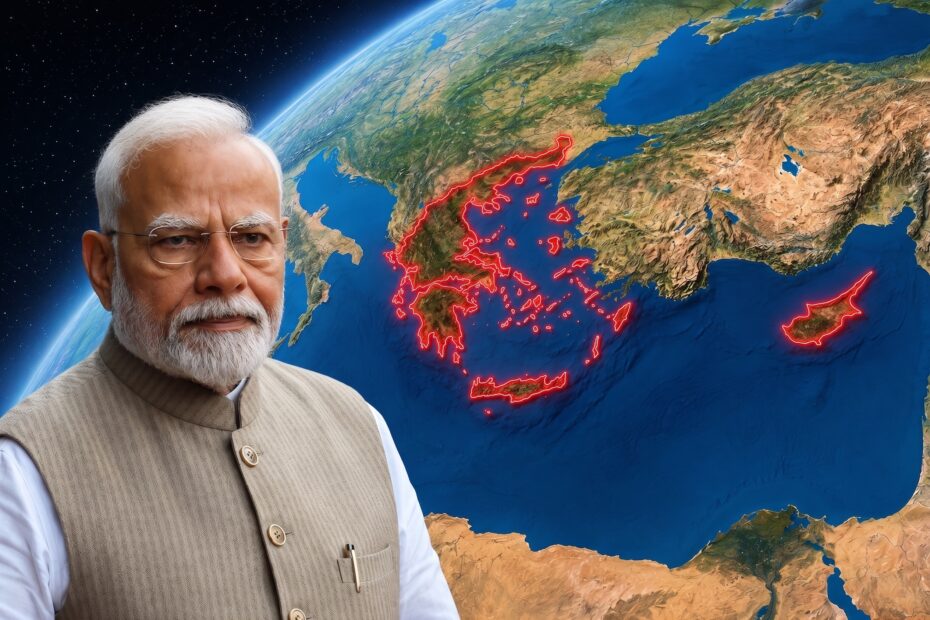
India Pushes for a Mediterranean Axis with Cyprus and Greece

India’s growing engagement with the Mediterranean reflects a broader adjustment in New Delhi’s external strategy. As India seeks more resilient trade routes, a stronger role in Eurasian connectivity and wider markets for its defence industry, the Eastern Mediterranean has become

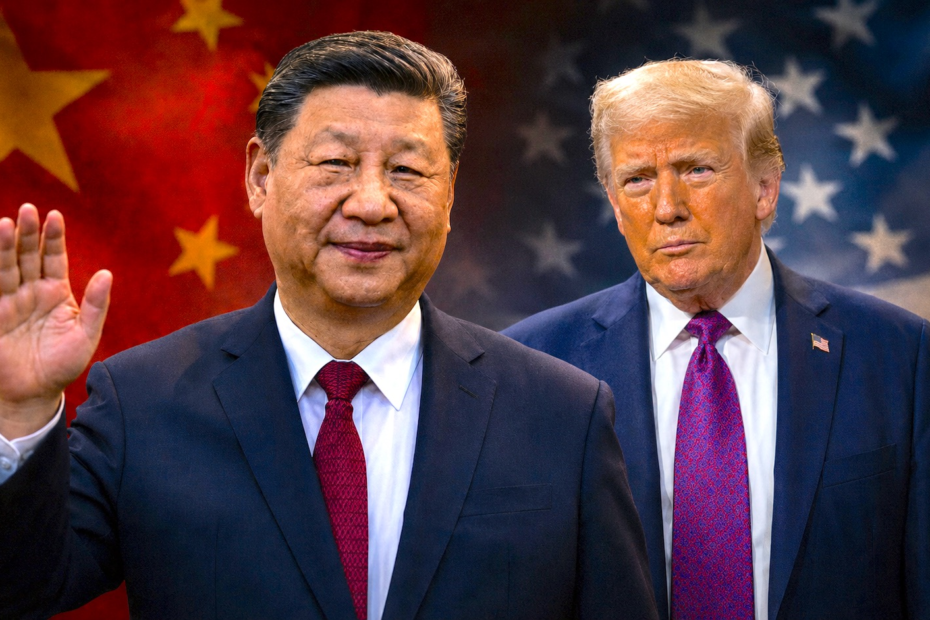
Can Middle Powers survive the U.S.-China Crossfire?

The Myth of the Multipolar Buffer in a Bipolar RealityFor a diverse, geographically dispersed array of middle powers spanning from the institutional, regulatory corridors of Brussels to the dynamic, diplomatic hubs of Jakarta and Singapore, the absolute defining strategic puzzle

Imperial Expansion and the Formation of Treaty-Based Order in Southeast Asia

From the fifteenth century onward, European maritime expansion fundamentally transformed Southeast Asia into a crucial node of global trade linking the Indian Ocean and the South China Sea. This transformation was not merely geographical but also structural, as regional economies

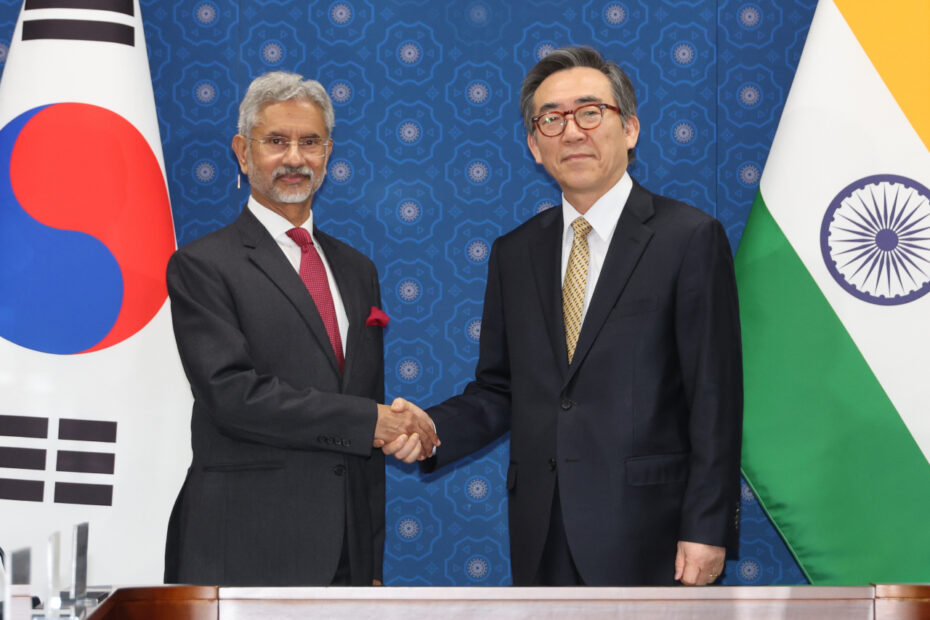
New Korea-India Relations: Strategic Investment as Absolute Necessity

The future of South Korea–India relations will depend less on diplomatic rhetoric than on the political economy of investment. For more than a decade, Seoul has regarded the revision of the Korea–India Comprehensive Economic Partnership Agreement (CEPA) as the principal

The Peace Process in Nepal: From Civil War to Federal Republic

At the heart of Nepal’s transformation from a monarchy to a federal republic lies the Nepalese Civil War. The underlying causes of this conflict were a divide between the political elites and the general population, who felt increasingly excluded from