Skip to content

Eurasian Affairs

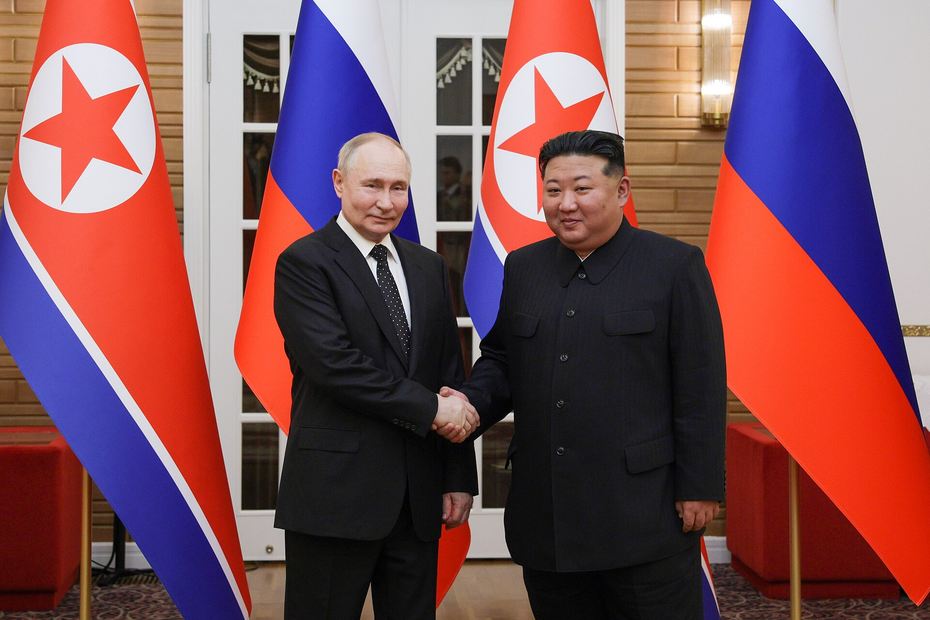
The Dynamics and Nature of the Russia–North Korea Alignment

From Estrangement to Military AllianceThe war in Ukraine, which began in February 2022, remains ongoing, with no end in sight. It has already lasted well beyond the four years and three months of fierce fighting in World War I. The
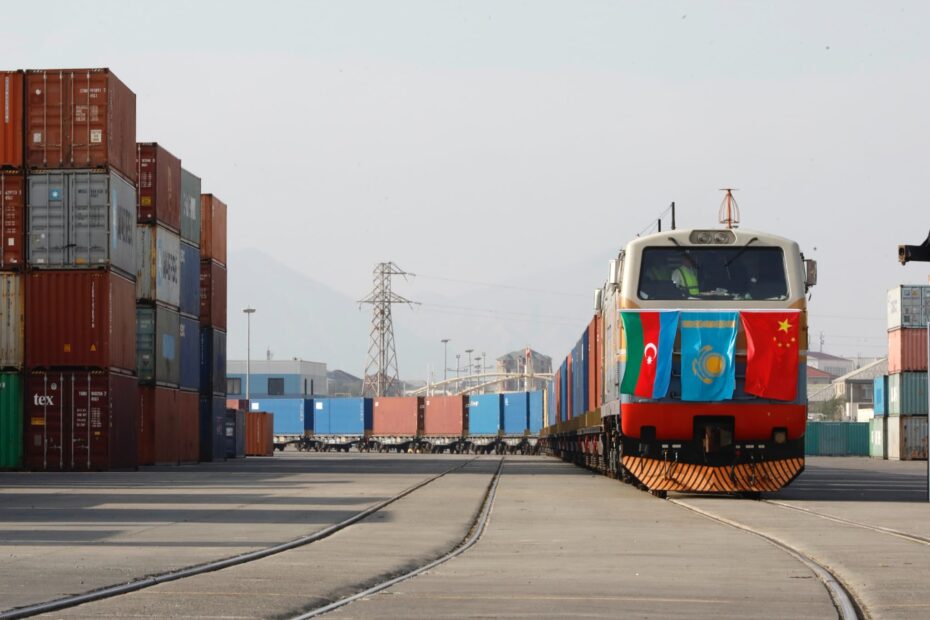
From Energy to Logistics: Azerbaijan’s Expanding Role in Eurasian Connectivity

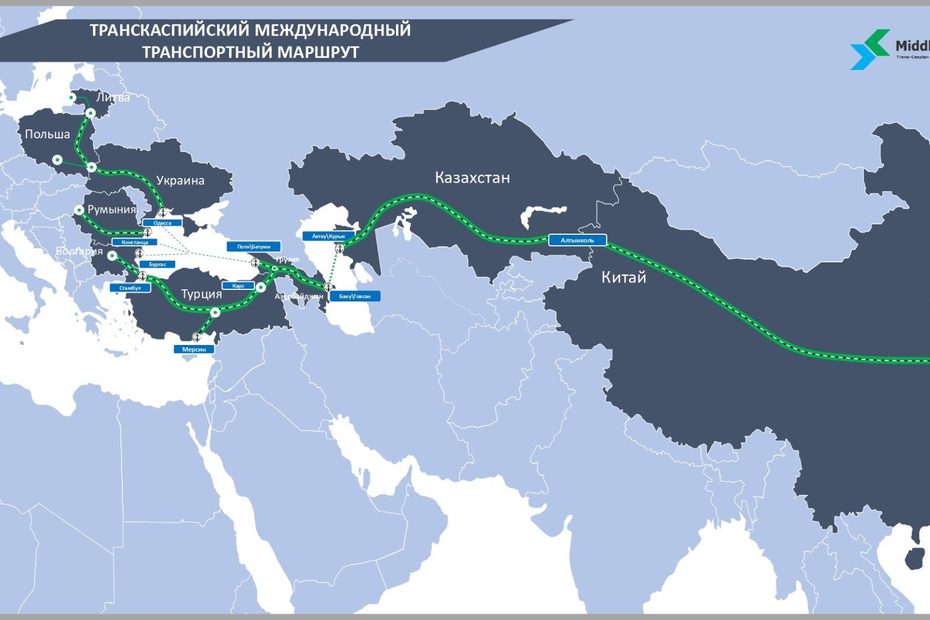
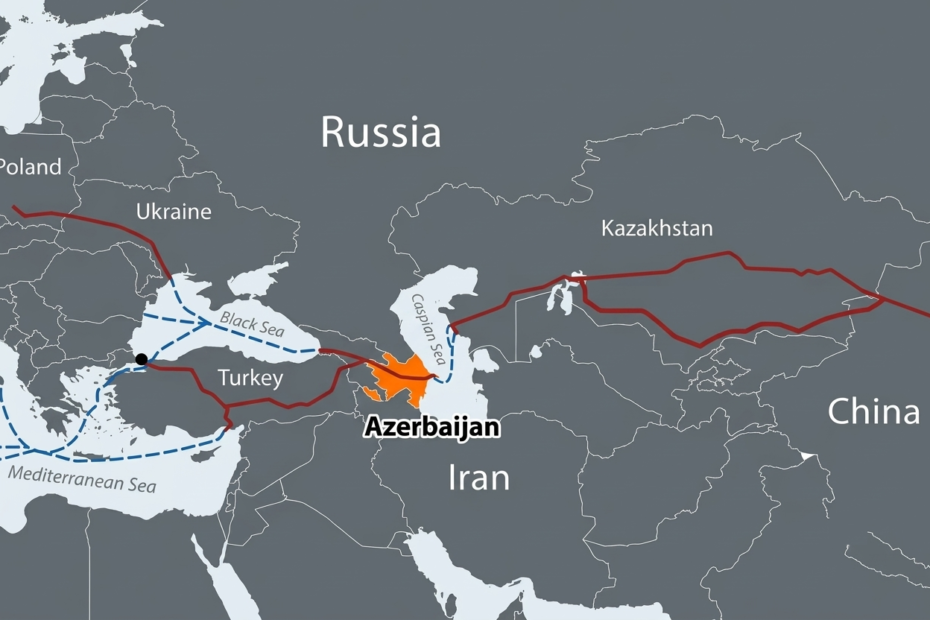
In late September 2026, the World Bank revealed its flagship Integration: High-Grade Trade Logistics along the Trans-Caspian Transport Route report, providing a strategic roadmap to transform the Middle Corridor (TITR) from a simple transit route into a fully integrated economic corridor. The

Turning geography into capacity: Azerbaijan’s corridor strategy

Global competition for resilient supply chains and reliable transit routes is intensifying, increasing the strategic importance of alternative trade corridors. In this context, the Middle Corridor has re‑emerged as a key overland route linking China to Europe through Central Asia,

South Korea Is Building a Central Asian Strategy

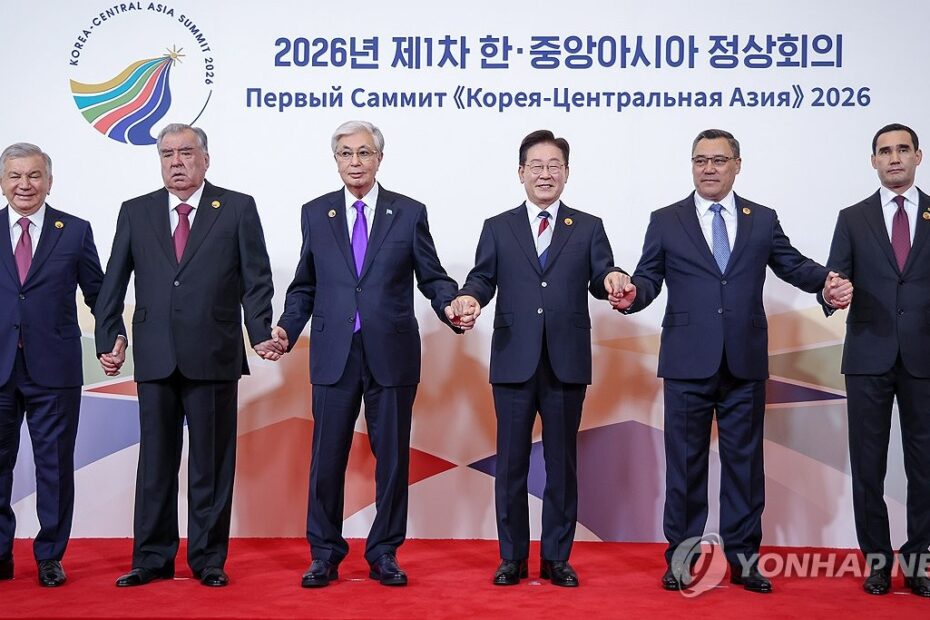
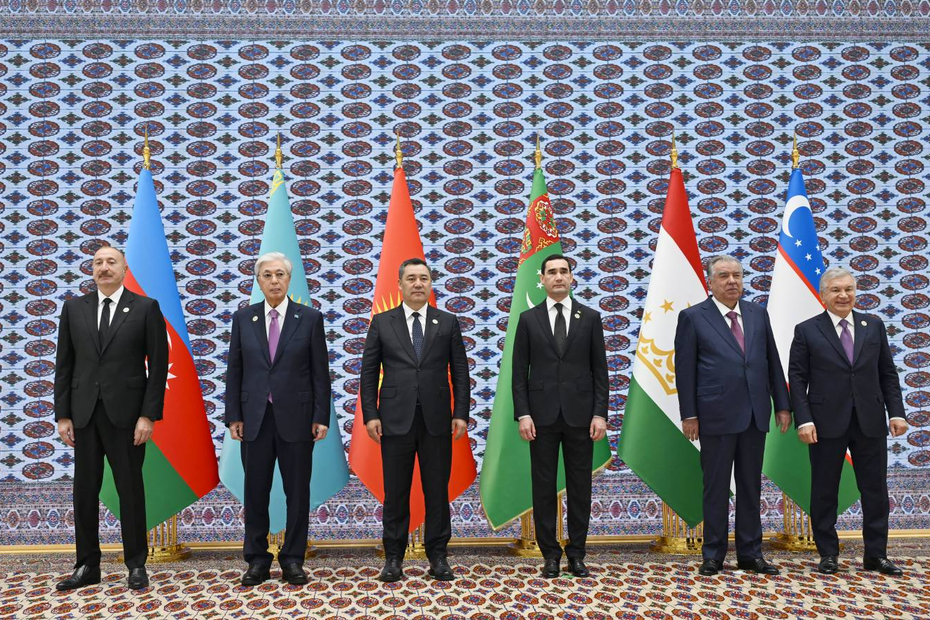
The first South Korea-Central Asia summit in Seoul on September 16 marked an important turning point. President Lee Jae Myung invited the leaders of Kazakhstan, Uzbekistan, Turkmenistan, Tajikistan and Kyrgyzstan to the first meeting of its kind at the leaders’

Kazakhstan Shifts from Transit Hub to Regional Connector

On a map, Kazakhstan’s transit advantage appears self-evident. The country lies between China and Europe, borders Russia, and reaches westward through the Caspian Sea. In logistics, however, location is only the starting point. Cargo owners choose routes that are predictable,

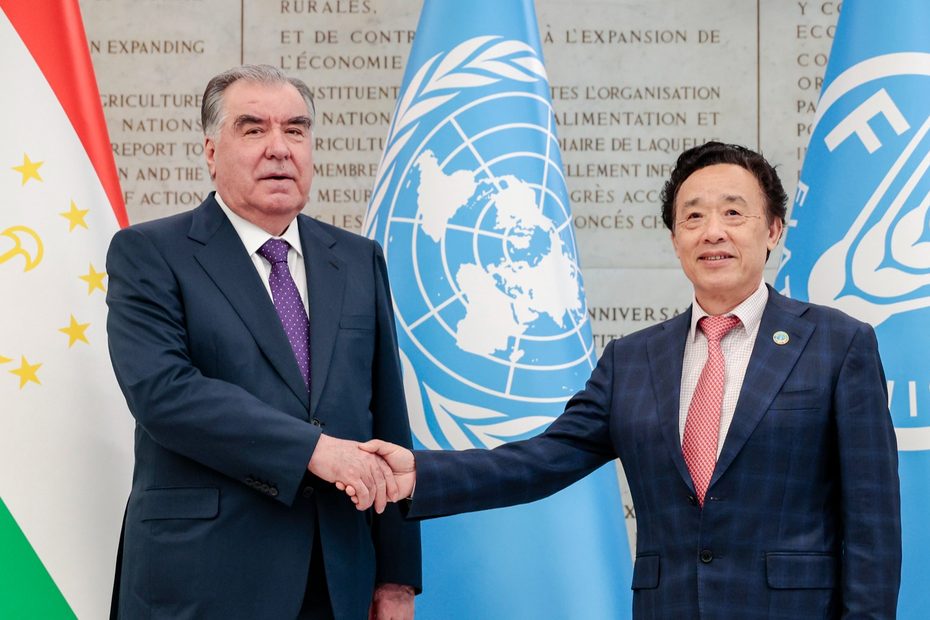
Tajikistan Embraces a Multi-Vector Foreign Policy

Central Asia is undergoing a period of significant geopolitical and economic transformation. The growing role of China, the changing position of Russia, the evolving regional environment following the Tajikistan–Kyrgyzstan border agreement, and the increasing importance of Afghanistan are reshaping the

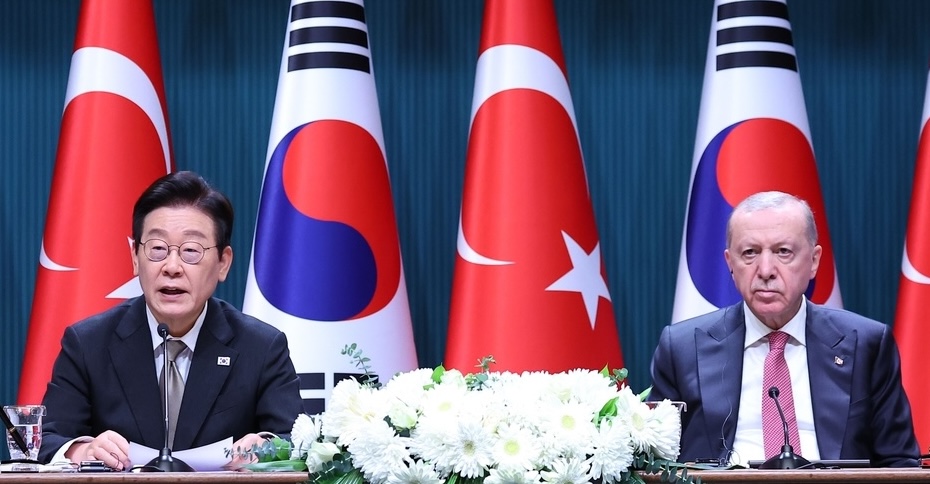
Turkish–Korean Ties Deepen in the Age of Hallyu

Türkiye and South Korea have long described each other as “brother countries” due to their historical ties and shared memories. In recent years, however, relations between the two countries have entered a new phase shaped not only by diplomacy and

When Energy Infrastructure Becomes a Battlefield

For years, Europe’s energy security debate focused on Russia’s ability to weaponise supply, pricing, and dependence. This debate is still valid, yet the war in Ukraine has added another dimension: energy is no longer only a source of leverage used

The Significance of the Caspian Sea in China’s Foreign Policy

Competing Regional Visions around the CaspianKazakhstan, Azerbaijan, and Turkmenistan: East-West ConnectivityFor much of the post-Soviet period, an implicit assumption existed that Central Asian states, including the Caspian littoral states of Kazakhstan and Turkmenistan, could not export energy resources without transiting