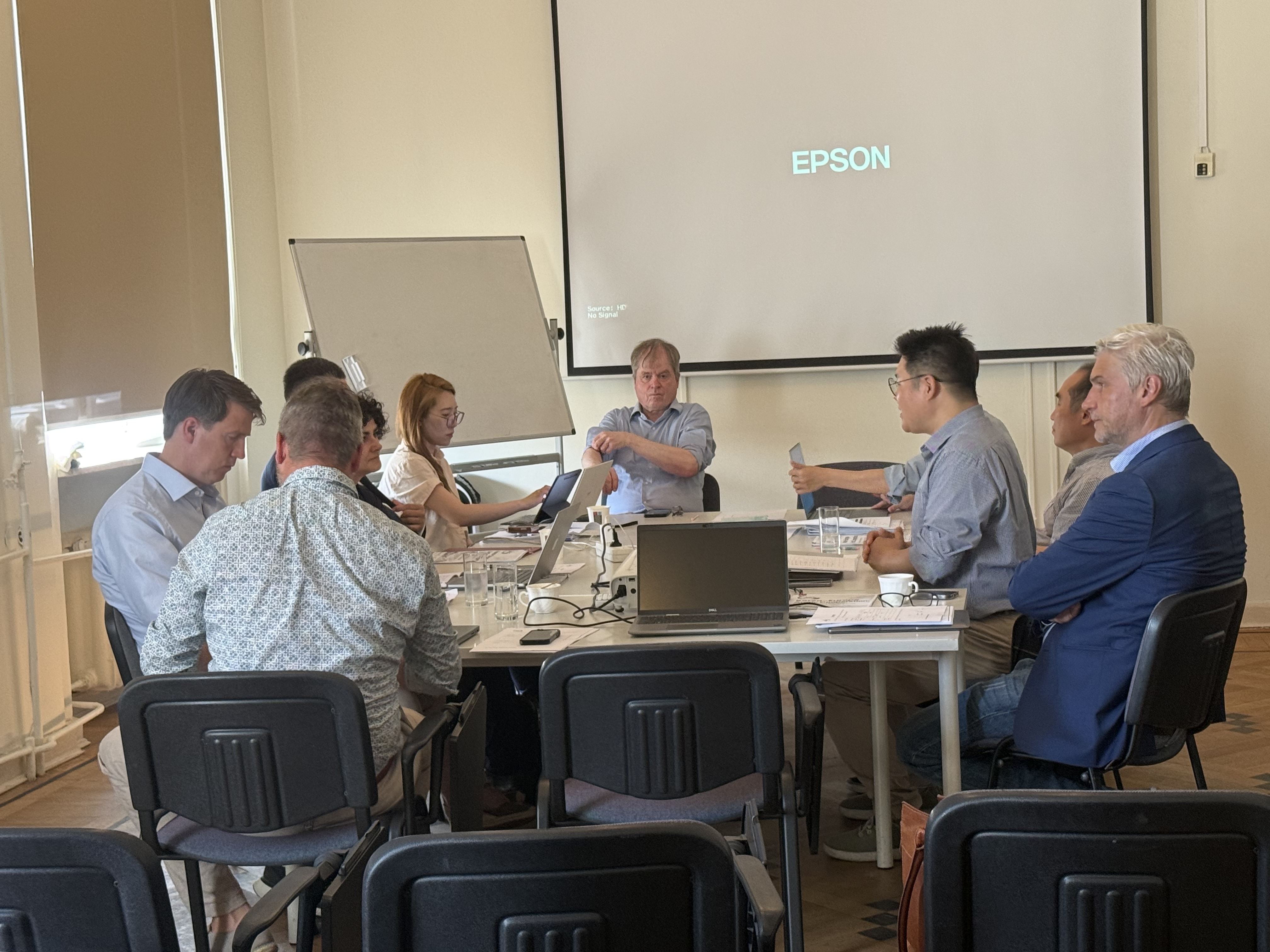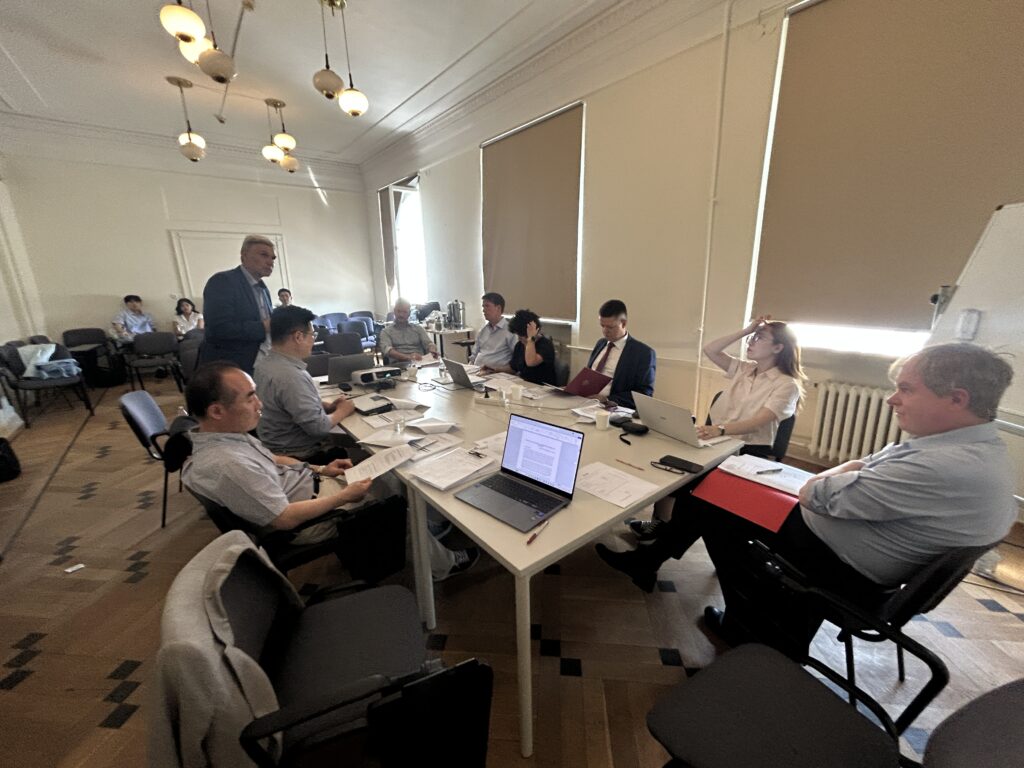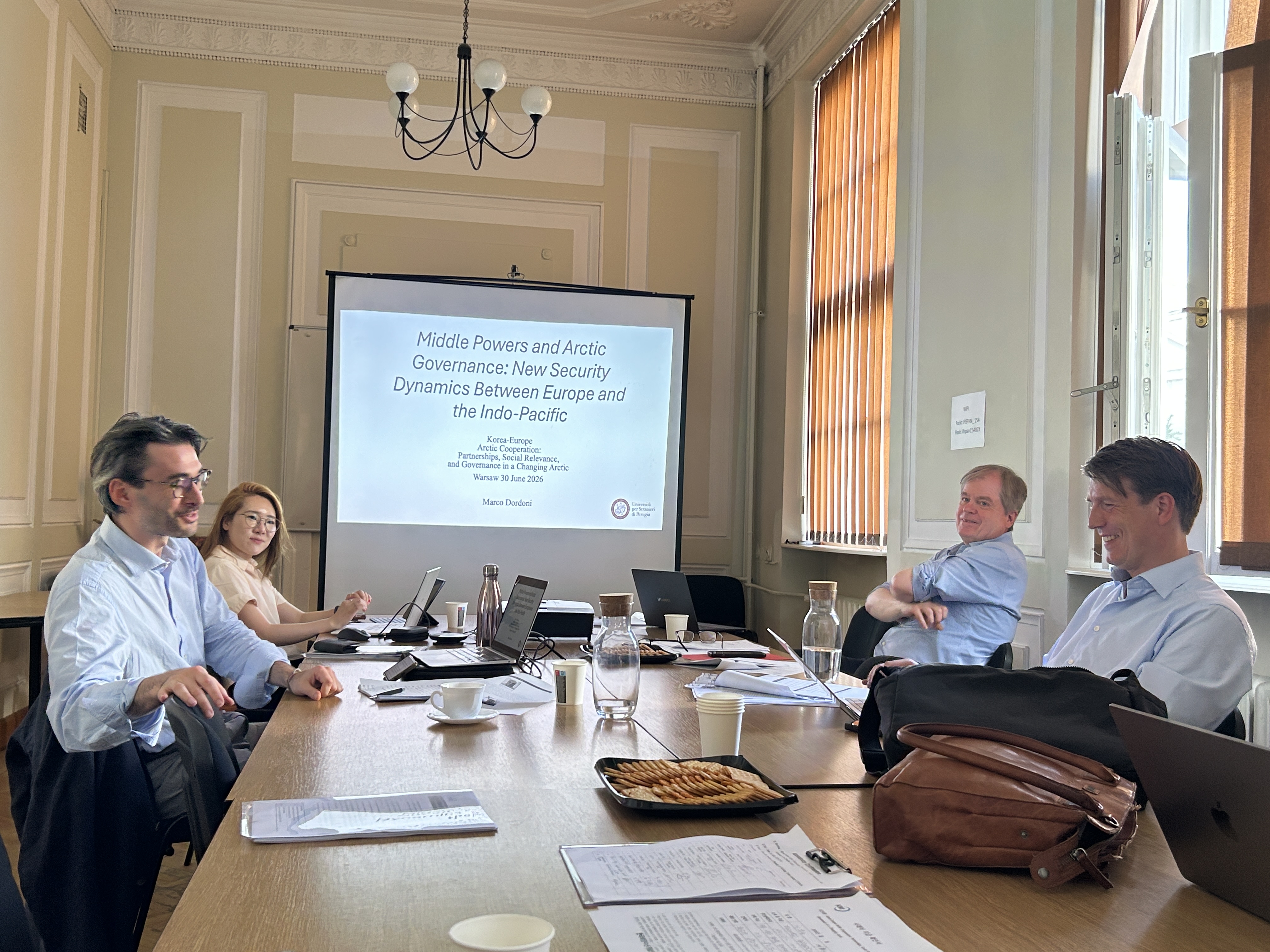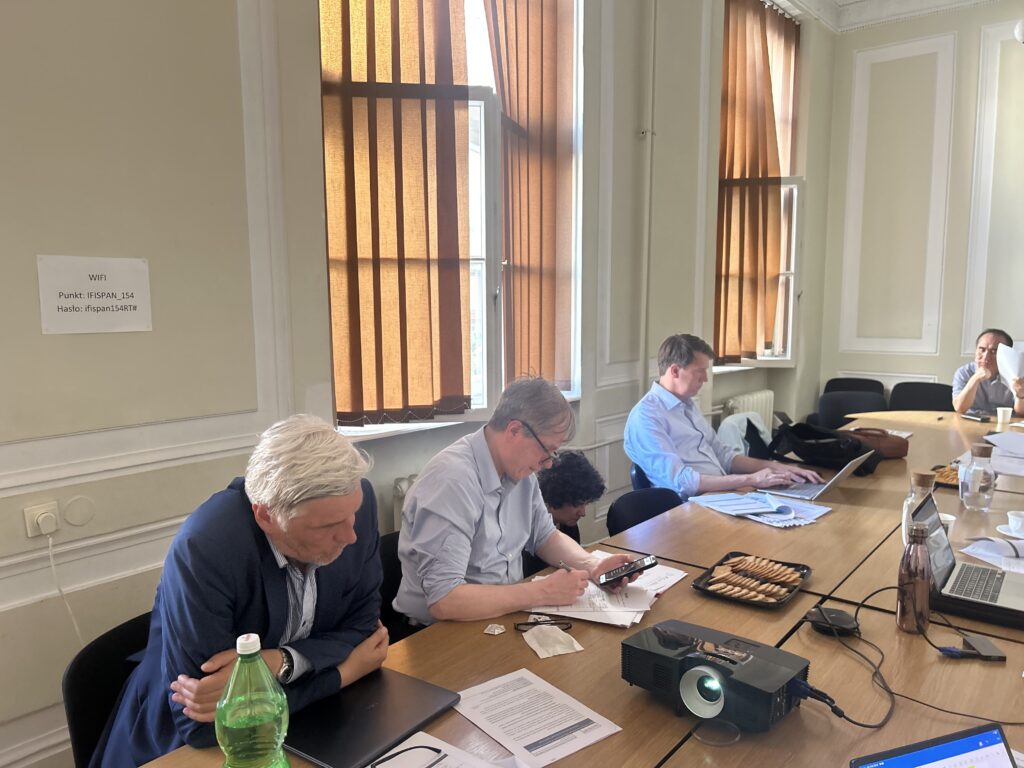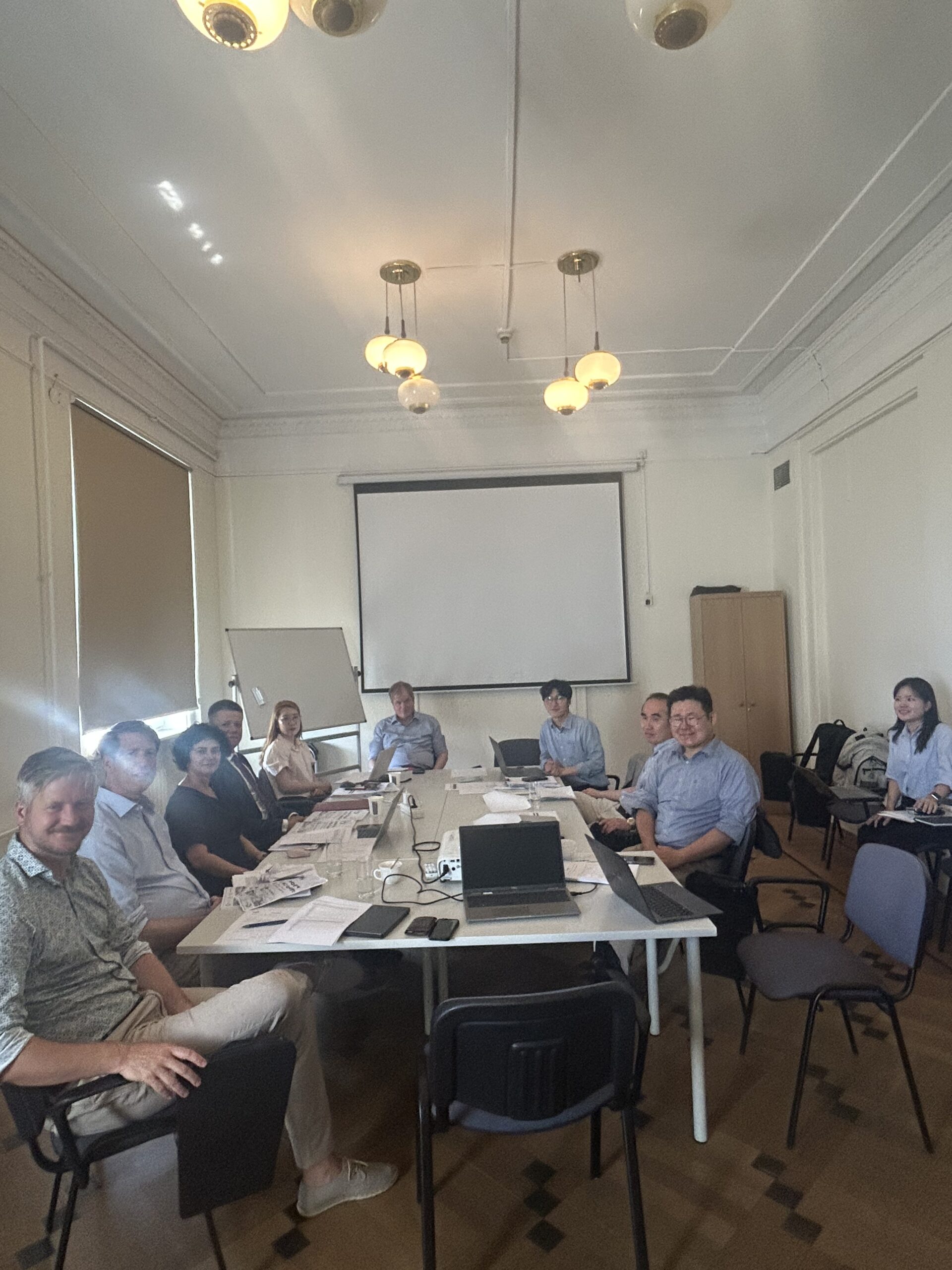
The Seoul Institute of Global Affairs (SIGA) hosted the seminar “Korea–Europe Arctic Cooperation: Partnerships, Social Relevance, and Governance in a Changing Arctic” on June 30, 2026, at the Institute of Philosophy and Sociology of the Polish Academy of Sciences in Warsaw.
The event was co-organized by SIGA, the Korea Maritime Institute, the Institute of Philosophy and Sociology of the Polish Academy of Sciences, the HUFS Jean Monnet Centre of Excellence, and the HUFS Polar Research Institute. It brought together scholars, policy experts, and institutional representatives from Korea and Europe to discuss the future of Arctic cooperation amid rapid environmental, geopolitical, and institutional change.
The program opened with remarks by Prof. Dr. Bongchul Kim, Director of SIGA, and Dr. Umji Kim, Director of the Polar Strategy Research Division at the Korea Maritime Institute. Prof. Rafał Smoczyński of the Polish Academy of Sciences delivered welcoming remarks, followed by congratulatory remarks from Piotr Rychlik, Poland’s Ambassador for Antarctic and Arctic Affairs.
Discussions throughout the seminar focused on the changing strategic environment of the Arctic and the role that Korea and European partners can play as constructive non-Arctic actors. Participants examined a wide range of issues, including the European Union’s evolving Arctic policy, maritime connectivity and shipping routes, energy security, science diplomacy, international law, policy legitimacy, technological cooperation, and the changing institutional order of Arctic governance.
A recurring theme was that Korea–Europe Arctic cooperation should extend beyond commercial access and traditional security concerns. Participants emphasized the importance of scientific research, maritime safety, environmental responsibility, policy transparency, institutional consistency, and meaningful engagement with Arctic communities. The discussions also highlighted Korea’s potential contribution through its expertise in shipbuilding, polar research, logistics, energy technology, and international cooperation.
The seminar further addressed the weakening of the cooperative order traditionally associated with the Arctic. Against the backdrop of intensified geopolitical competition and disrupted relations with Russia, participants considered how existing governance arrangements could be maintained, adapted, or supplemented. Particular attention was given to the role of middle powers and non-Arctic partners in supporting practical cooperation and rules-based governance without undermining the central position of Arctic states and Indigenous communities. The event concluded that Korea and Europe possess complementary capabilities that can support a more sustainable, inclusive, and resilient Arctic order. Continued dialogue, research partnerships, and institutional cooperation will be essential for translating shared interests into credible and socially relevant policy initiatives.